
Hunting Bears for SCIENCE! Water Bears, That Is — Part 1
Reconstructed for the archive — this video never had a written companion, so I wrote one from the original footage with my own custom AI tools and a little good old-fashioned tweaking for accuracy.
Join my son and I as we go on a glorious Bear Hunting Expedition for SCIENCE — water bears, that is, better known as tardigrades. The trouble with hunting something you can’t see with the naked eye is that the hunt itself looks like nothing at all: we’re just out looking for the wettest moss we can find, since water bears live packed into mossy patches everywhere. Turns out that part isn’t hard around here — moss is basically everywhere you look.
Soaking it back to life
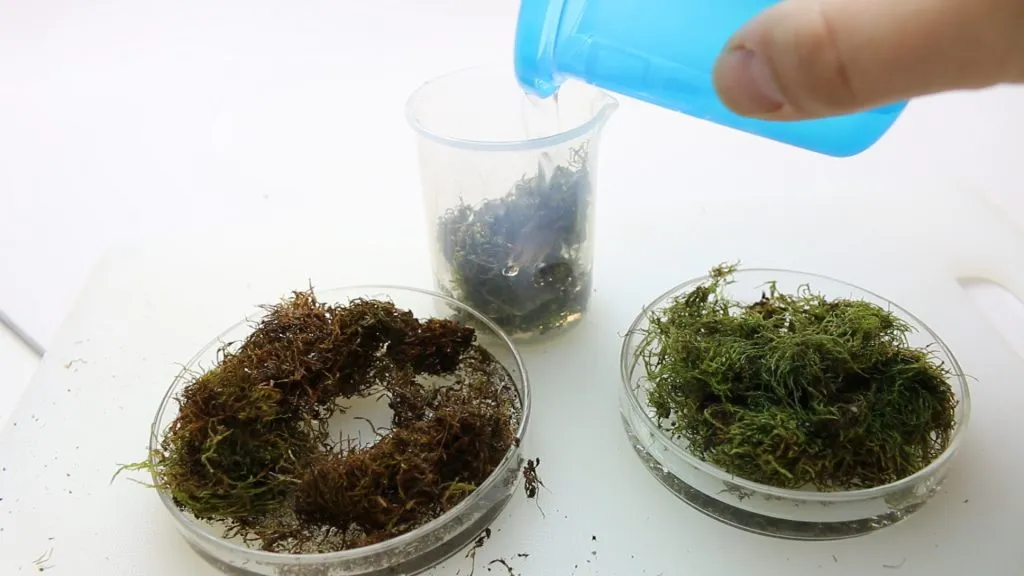
We came back with enough moss to fill a beaker, split it across three separate containers, and soaked each one in water — which sounds like the boring part but is actually the whole trick. Tardigrades survive dry spells by curling into a shriveled, dormant “tun” state and essentially pausing their own metabolism; that’s the same trick that lets them shrug off the vacuum of space and an absurd range of temperatures. Soaking is what wakes them back up, and it takes a while — 8 to 24 hours by most accounts — so there’s nothing to do in the meantime but wait, and mostly resist the urge to burn that whole stretch playing Minecraft instead.
Next up
Tomorrow’s plan is to check the low-power microscope and see if we can spot any movement in the petri dishes. If they turn out to be hard to isolate that way, the backup plan is rigging up a DIY centrifuge to spin them out of the moss water. Either way, next episode is the actual hunt — this one was just setting the trap.
I'm Joseph Dattilo — engineer-founder in Lansing, Michigan, author of the FleetHarbor suite, and founder of Date Palm Media. More about me · More writing · Get in touch