
Water Bear Hunting, Part 2: Finding the Tardigrade
Reconstructed for the archive — this video never had a written companion, so I wrote one from the original footage with my own custom AI tools and a little good old-fashioned tweaking for accuracy.
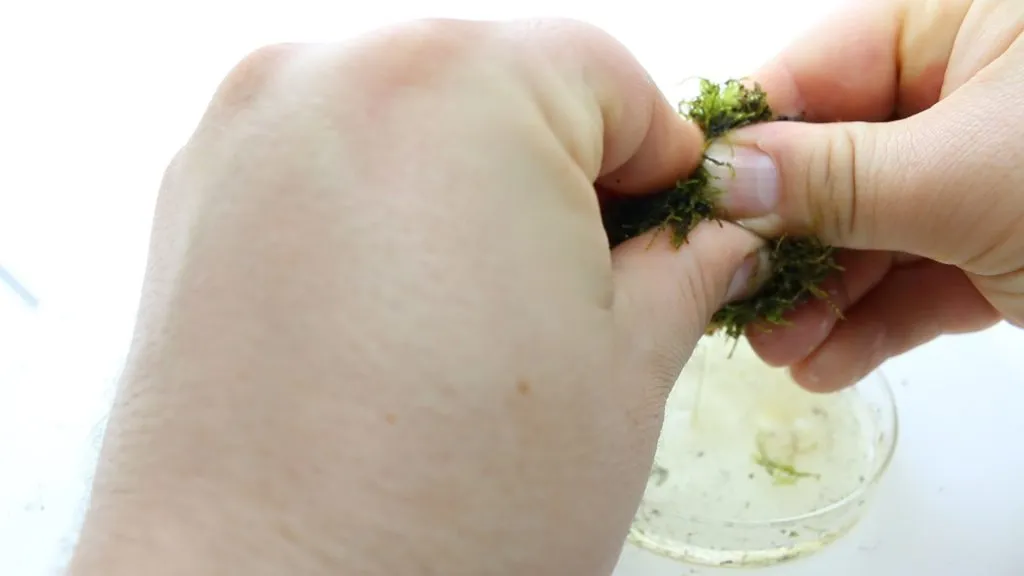
Picking up where we left off: the moss had soaked for over 24 hours, which is about what it takes to coax a water bear out of the dried-up, near-dead state it curls into when its world runs out of water. I’d braced for the hard part — some struggle against the mightiest half-millimeter beast in the backyard — and instead you just squeeze the soaked moss out over a petri dish like a dishrag, and the water that comes out is full of exactly the debris you want. The great hunt, it turns out, is mostly laundry.
Spotting the first candidate
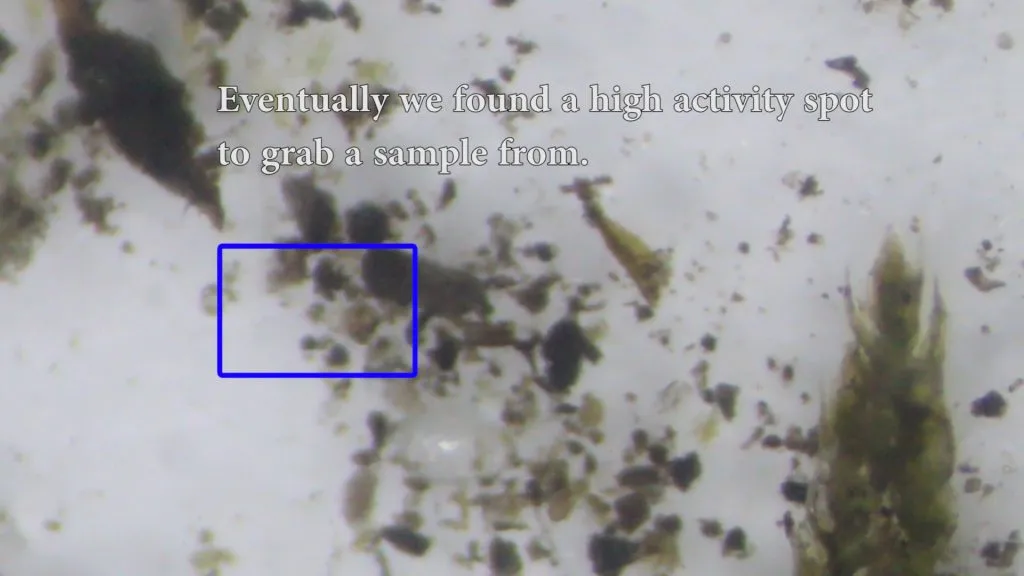
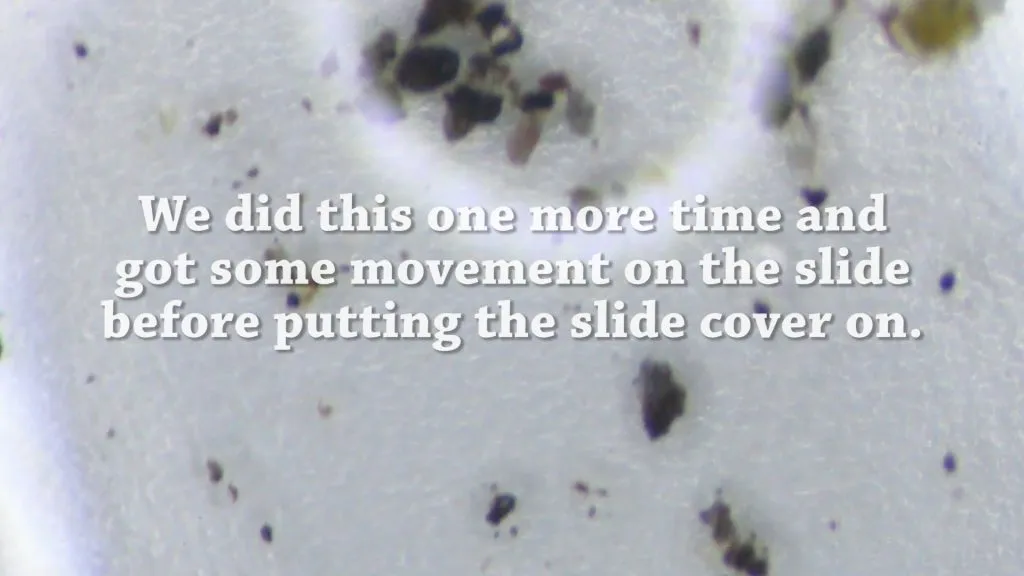
Under low power you’re not really hunting a tardigrade so much as a rumor of one — a wiggling speck in a field of moss debris is your best sign anything down there is actually alive. Once my son and I spotted a promising cluster, we drew it up with an eyedropper, tapped it a few times to settle the sediment (and, we hoped, a water bear) to the tip, and put one drop onto a well slide.
Confirmed under the scope
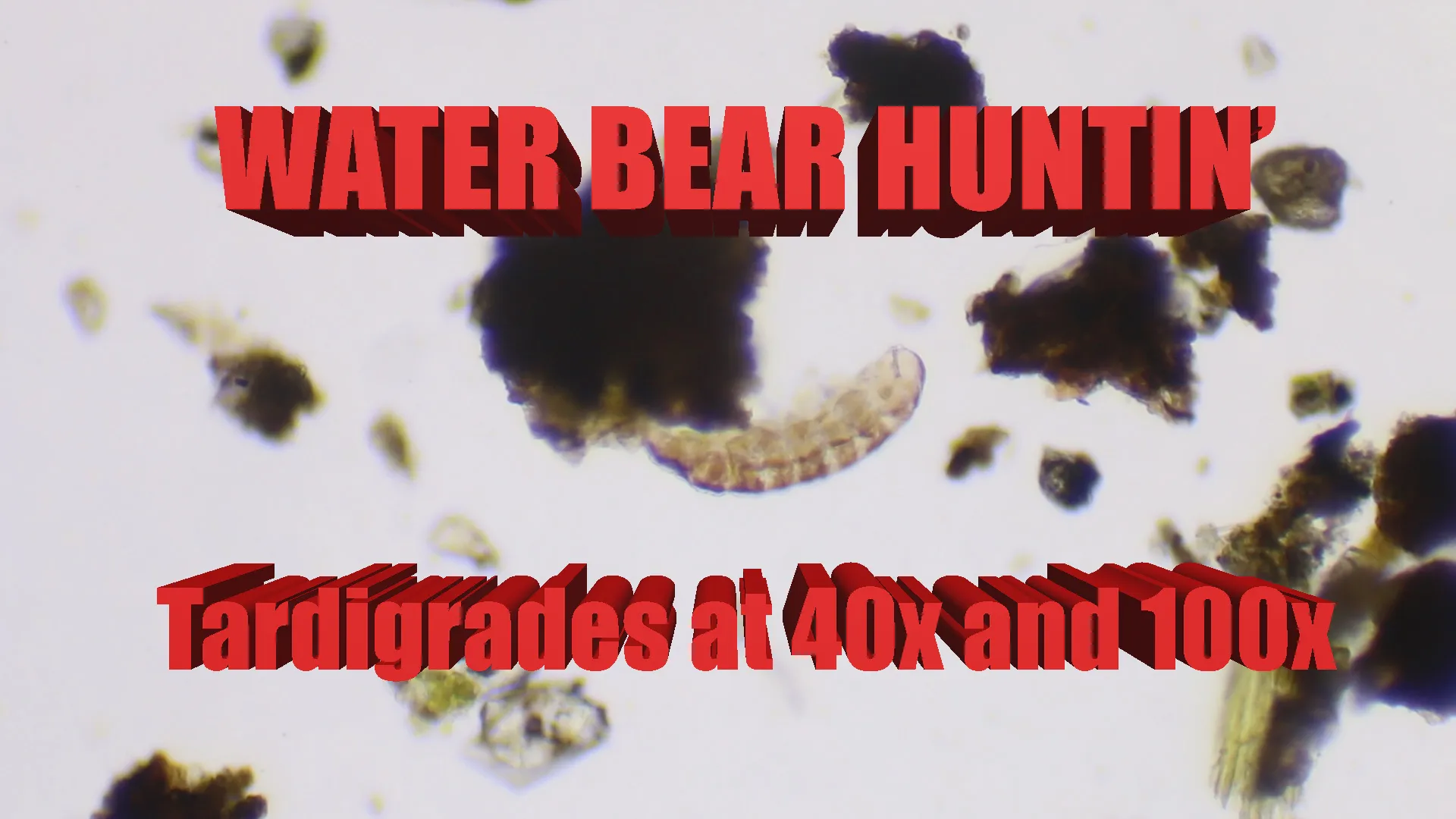
Under the cover slip at 40x, there it finally was — segmented, slow, taking its time, unmistakably the lumbering little bear the nickname earned. A water bear keeps to its own island of moss and only crosses over when another piece is physically touching the one it’s on, which is both charming and, more usefully, a decent way to tell a real one from ordinary floating gunk.
Come back for the higher-magnification footage. Once you can actually pick a water bear out of a dish, watching one up close is a completely different level of amazing — and honestly the best reason I know to go squeeze wet moss over your kitchen counter with a kid.
I'm Joseph Dattilo — engineer-founder in Lansing, Michigan, author of the FleetHarbor suite, and founder of Date Palm Media. More about me · More writing · Get in touch